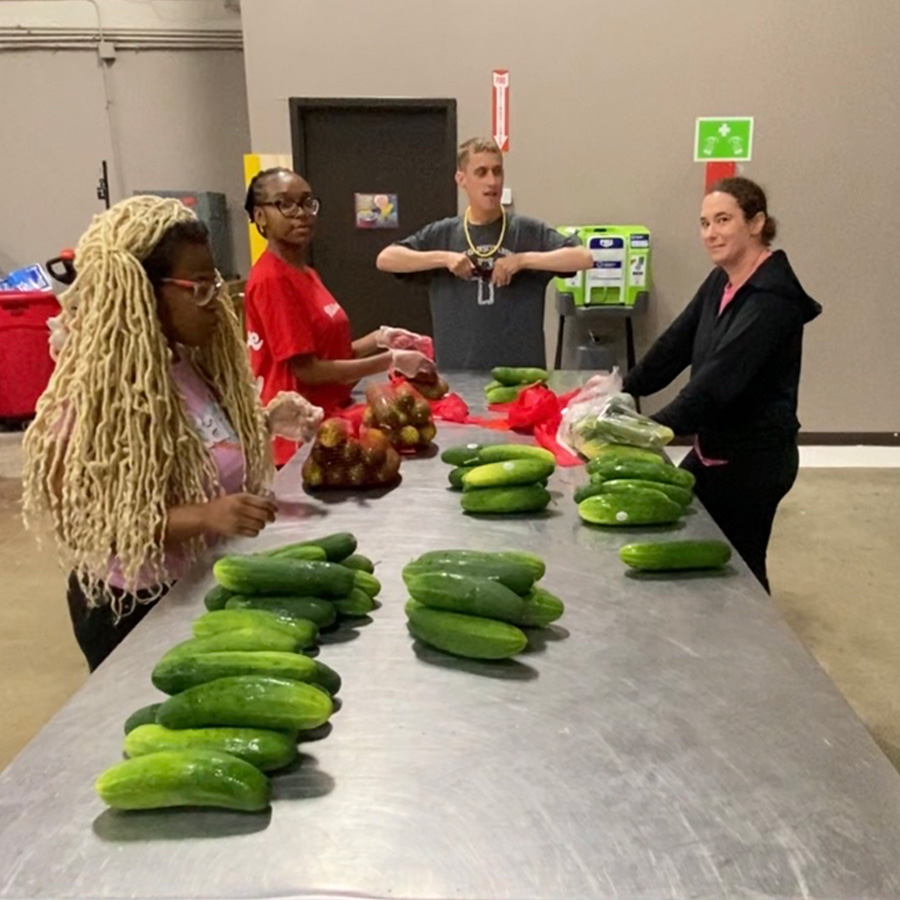


All these things help people live enriched and fulfilling lives, and day programs can offer pathways to this fulfillment.
When evaluating options, there are some key things to keep in mind.
Ask About Supports
Day programs can vary widely in the supports they provide. It is important to ask what types of support are offered and whether they apply to your loved one, such as mobility, behavioral, medical or communication support. It can also be helpful to ask about the wait time for beginning services, whether supports extend into the community or in-home settings, and what happens if support ends up being insufficient.
Consider Community Interaction
Think about what kinds of community interaction, learning, and growth will be fulfilling for your loved one. Some people like to be out most of the day, going to a variety of places. In that case, a program where each day is spent in the community may be a good fit. Others may prefer to stay home more often or to visit community locations when they are less crowded. A program with more limited community outings may be best in that case.
All of us have preferences and comfort zones. When planning for long-term growth, it is often best to start with a program that will be a good fit for a person’s current needs so that the start is not overwhelming.
Take Tours and Ask Questions
Once you have a list of potential matches, it is a good idea to screen them by asking for and attending tours. Seeing things in person gives you a better sense of what day-to-day activities are like.
Pay attention to:
Ask what accommodations are made for individuals with sensory needs or social anxiety, especially when outings are planned and carried out. Ask how often the staff working with your loved one is likely to change, and whether your loved one will have access to their belongings throughout the day or only at scheduled times.
Think About Fit
Much like employment, many individuals who attend day programs spend most of their waking hours there. And, much like employment, what is a fit for one person may not be a fit for another.
Some programs do the same activities day after day. For people who like repetition and routine, this can be a great fit — much like an assembly line job. For those who prefer variety, this type of structure can feel monotonous, or even discouraging, especially when their work is undone each day just so it can be repeated the next.
Keep Track of Your Options
Finding potential programs, keeping track of contacts and waitlists, and screening options can be difficult and time-consuming. If possible, ask other family members or stakeholders on your team to help. It can be useful to keep a note file on your phone or a notebook where you record primary contacts, dates of visits, and notes from conversations. Some families find it helpful to make a simple chart of pros and cons for each program being considered.
Some day programs also offer trial periods. These can be a valuable way to see if the program feels like a good fit before making a longer-term commitment.